
How Indian Suburbs Like Thane, Whitefield, Hinjawadi Are Turning Into Self-Sufficient Micro-Cities | CREDAI MCHI Thane
July 03, 2025
Listen to this News
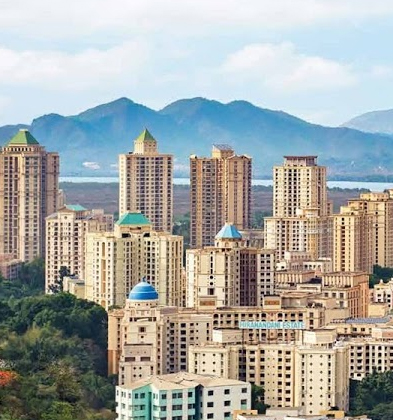
Big cities in India have become crowded, noisy, and expensive. Suburbs such as Thane, Whitefield, and Hinjawadi are undergoing rapid transformation. These areas are no longer just residential extensions of metro cities. They are changing into micro-cities with their own housing, offices, retail outlets, educational institutions, and recreational zones. This shift is leading to functional home changes that suit the needs of families and working professionals.
Latest Real Estate Trends On Suburbs
In the past months, Whitefield has seen a rental increase of 20 to 30 per cent, as suburbs near the eastern IT corridor and its outskirts remain in high demand. Some areas reported average monthly rents of Rs 25,000 for a two-bedroom flat, with experts expecting a further 10 to 20 per cent rise in 2025.
In Thane, a key step forward is the approval of the Circular Ring Metro, a 29 km metro loop with 22 stations set to begin operations by 2029. A detailed design consultant has already been appointed, and civil works tenders are underway as of May 2025. This new line will significantly improve connectivity within Thane.
In Hinjawadi, Pune Metro’s Line-3 (Hinjawadi–Balewadi–Civil Court) is progressing, with depot planning underway at Maan in Hinjawadi. It is expected to provide faster and cleaner connectivity, making the suburb more attractive for residents and investors.
What Makes A Suburb Turn Into A Micro-City?
A suburb becomes a micro-city when it gets strong transport links, local jobs, and full social infrastructure.
- First, transport corridors like metro lines and highways reduce travel time, encouraging housing and job hubs nearby.
- Second, office complexes and commercial centres are set up in these zones, creating employment opportunities within the locality.
- Third, educational institutions, healthcare facilities, retail zones, and entertainment areas follow, enabling full-spectrum living.
When all such infrastructure is planned and developed in balance, people live, work, study, and unwind without needing to commute to the core city. More than 90 per cent of sanctioned smart city projects had been completed by November 2024. This combination of accessibility and local amenities lays the foundation for micro-cities.
Why Are Micro-Cities Growing Now?
Micro-cities are expanding due to the dual impact of shifting preferences and institutional support. Urban centres are overcrowded, polluted and high-cost; post-pandemic behavioural changes have further discouraged long daily commutes. Many buyers and renters now prefer suburbs offering lower-cost housing and better air quality.
At the same time, government initiatives such as smart city missions, metro expansions, and highway upgrades are directing new development outward.
By 2030, India is expected to invest over Rs 143 lakh crore in urban infrastructure, with a focus on expanding suburbs. Developers are building integrated projects that include housing, offices, and basic facilities, encouraging walk-to-work living. This is driving steady growth in self-sufficient urban areas outside city centres.
Advantages Of Living In A Micro-City
Living in a micro-city has many benefits:
- Shorter Travel Times and Less Stress:
Reduced commuting distances lead to improved time management and lower stress levels. For example, a Mumbai study shows that 81 per cent of metro users save around 26 minutes per trip, totalling about 52 minutes daily. This time gain contributes to better health and mental well-being and improves productivity for residents. - Lower Housing Costs with Better Amenities:
Housing in micro-cities is more cost-effective while offering value-added facilities. These include parks, gyms, EV-charging stations, and community centres as part of residential layouts. Some developments even provide EV outlets for every parking space. This balance between affordability and modern features enhances long-term utility and comfort. - Cleaner Air and More Green Spaces:
Micro-cities typically include broader roads, more green belts, and less vehicle congestion. Their compact layout supports walkability and cycling, reducing dependency on personal transport. This structure helps limit pollution and supports a healthier lifestyle. The overall environment is more liveable, particularly for families and senior citizens. - Smart Planning and Modern Infrastructure:
These regions follow planned urban growth with digital and sustainable infrastructure in place. Fibre-optic broadband, solar lighting, and integrated waste disposal systems are common inclusions. Guidelines now suggest EV charging stations every 25 km, making green mobility easier. Such developments enable environmentally responsible living without sacrificing convenience. - Everything Needed is Nearby:
Micro-cities are planned to include workspaces, schools, health centres, shopping areas, and public parks within close proximity. This layout encourages more community interaction and active mobility, reducing transport dependency. Mixed-use zoning also results in efficient land use and a higher quality of daily life. With all essentials nearby, lifestyle becomes more streamlined and cost-effective.
Overall, these urban pockets offer reduced congestion, structured layouts, and full-featured living environments.
Thane: Mumbai’s New Twin City
Thane is now seen as an extension of Mumbai rather than just a suburb. Metro Lines 4 and 5 will significantly improve connectivity across areas like Ghodbunder Road, Pokhran Road, Majiwada, and Kolshet, with full operations expected by 2027. These zones already have strong infrastructure, including malls, hospitals and office zones.
Property prices in Thane range between Rs 15,000 and Rs 17,000 per square foot in standard areas and up to Rs 25,000 in premium localities. Annual capital appreciation stands around four to six per cent, while rental yields have improved from 2.7 per cent in 2019 to 3.1 per cent in 2024. The Eastern Express Highway further supports its connectivity to Mumbai’s commercial centres. Enhanced metro access combined with expanding social infrastructure has created a well-rounded residential environment.
Whitefield: Bengaluru’s Growing Hub
Whitefield has matured into a self-sustained micro-city within Bengaluru. The extended Namma Metro Phase-II now connects this hub to areas like Kadugodi, ITPL Road, and Varthur, reducing commute times significantly. Consistent demand from the tech workforce has increased rental values by 20 to 30 per cent over the past year. Two-bedroom apartments now rent between Rs 32,500 and Rs 35,000 monthly on average.
In addition to IT parks, Whitefield now includes schools, hospitals, supermarkets, and entertainment centres. Ongoing infrastructure work and close proximity to offices continue to drive demand in the area.
Hinjawadi: Pune’s Key Tech And Housing Hub
Hinjawadi has developed into Pune’s major micro-city, blending work zones with residential and commercial infrastructure. Originally known for IT parks, it now offers shopping centres, housing, and the under-construction Metro Line 3.
Current property values range from Rs 5,500 to Rs 12,050 per square foot, depending on the phase and location. Appreciation of 10 to 12 per cent is forecasted in 2025, with rental yields between five and seven per cent. Growth in employment, township development, and integrated planning has positioned Hinjawadi as a long-term urban centre.
How Suburbs Are Becoming Self-Sufficient?
- Transit Growth:
New metro lines, highways and ring roads are connecting suburbs to city centres more quickly. This reduces travel time and encourages people to live a little further out. For example, Thane Metro Lines 4 and 5 are projected to begin by 2027, linking essential neighbourhoods. Better connectivity supports local economies and daily convenience. - Office and Job Growth:
Suburbs are witnessing growth in business parks, shared office spaces and tech centres. Local employment is reducing the need for long city commutes. Approximately 42 per cent of recent job creation has occurred in Tier-II towns, underlining the shift in employment hubs. - Smart Infrastructure:
Suburban regions now include essential services such as broadband, EV charging points, and water supply. New townships often integrate EV charging into each parking slot. These developments cater to modern living and align with digital infrastructure goals. - Social Life:
Suburbs today feature schools, healthcare centres, shopping malls, and open parks. Such comprehensive planning reduces the dependence on metro cores. This leads to more pedestrian activity and helps strengthen local communities.
Sustainable Planning And Smart Living
Suburbs are being developed with sustainability and integrated infrastructure as key priorities. Pune Metro’s Lines 1 and 2 span approximately 33 km with 53 stations, and the upcoming elevated Line 3 (Hinjawadi–Civil Court) is on track for completion by 2025-2026.
Solid waste systems, solar lighting, rainwater harvesting and electric mobility options are now built into newer neighbourhoods. Many buildings also conform to green building certifications that increase energy efficiency. Combining public transport, digital services and green solutions, these micro-cities are shaping low-emission, cost-efficient urban lifestyles.
What This Means For You
Micro-cities offer practical benefits for students and working families. Affordable two-bedroom units include access to amenities such as gyms, gardens and EV infrastructure. Reduced travel time allows for better work-life balance and less daily strain. Essential services such as healthcare, education and shopping are available locally. With rising capital appreciation in suburban areas, property purchases can result in favourable returns. These benefits provide a cost-efficient alternative to living in congested city cores.
Conclusion
India’s suburbs like Thane, Whitefield, and Hinjawadi are not only expanding, they are changing into self-sufficient micro-cities. Supported by robust transport links, local employment, and inclusive amenities, these areas combine convenience and affordability. Such micro-cities bridge the gap between quality living and connectivity to metro benefits, making them increasingly preferred as primary residences.
Source: timesproperty.com
Read all Thane Real Estate Latest News
To Know About Thane Real Estate Development Contact Us at (+91) 9833458323