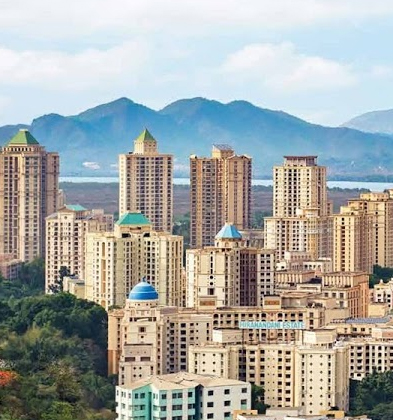

Soon high-rises on nine-metres roads across Mumbai
Apr 29, 2026 at 09:06 AM IST
Listen to this News
Mumbai's BMC is easing building height restrictions, allowing skyscrapers on narrow roads. An amendment to DCPR 2034 introduces graded height permissions based on road width, potentially unlocking redevelopment for thousands of old buildings. While boosting urban renewal, concerns remain about infrastructure strain and emergency access.
MUMBAI:The BMC has moved to ease restrictions on building heights, even on narrow access roads. The civic body's Improvements Committee has cleared a key amendment to the Development Control and Promotion Regulations (DCPR 2034), opening the door for skyscrapers in areas once considered too cramped for high-rises.
Until now, tall buildings were permitted only on roads at least 9 metres wide - a rule intended to ensure access for fire engines and ambulances. That restriction is set to be relaxed. Under the proposed policy, plots facing roads narrower than 9 metres will also be eligible for high-rise development.
The amendment proposes graded height permissions based on road width. Buildings on 3.6-metre-wide roads could be allowed up to 32 metres (around 10 floors), those on 4.5-metre roads up to 70 metres (21- 23 floors), and those on 6-metre roads up to 120 metres (31-32 storeys). Roads 9 metres and wider would continue to permit buildings exceeding 120 metres.
All such projects will require a no-objection certificate from the fire brigade, while high-rise developments will also need clearance from the high-rise committee. "NOCs will be granted only after all mandatory fire safety norms are met," a fire brigade official said.
The proposal has been approved by the Improvements Committee and will come into effect after clearance from the state urban development department, officials said.
The move is expected to trigger a surge of redevelopment across Mumbai, from the island city to the suburbs, as developers tap land parcels previously deemed unviable. Urban planners say it could dramatically alter the skyline, with towers rising in dense neighbourhoods lined with low-rise structures.
While the policy could unlock significant real estate potential and accelerate redevelopment, it has raised concerns over infrastructure strain, traffic congestion and emergency access in crowded areas.
"Building height should increase only when adequate access is available for emergency services during disasters," said town planner Pankaj Joshi. "There is also a Supreme Court judgment on the need for sufficient approach roads."
Developer Amit Musle said the change would help redevelop ageing and dilapidated structures located on narrow lanes. Earlier, redevelopment of many old buildings was stalled due to stringent frontage norms that limited FSI and high-rise approvals. The amendment could unlock large- scale residential potential and speed up urban renewal in congested suburbs. However, experts caution that over-densification may strain local infrastructure and complicate construction logistics, while disputes over shared access roads could emerge.
"This policy opens up significant residential potential and can accelerate redevelopment," said Anuj Puri, chairman of ANAROCK Group. "At the same time, it raises concerns about infrastructure pressure and legal issues related to access."
Anand Gupta, general secretary of the Builders Association of India, called the move a boost for redevelopment, particularly in gaothan and old settlement areas. "Buildings with narrow access can now be redeveloped, which will benefit residents living in ageing structures," he said.
According to civic officials, over 40,000 buildings in Mumbai are more than 30 years old, with many in south Mumbai dating back 70-80 years. Redevelopment has often been stalled because these structures are located on narrow lanes. Several vacant plots have also remained undeveloped due to inadequate road access.
Residents of a Jogeshwari East housing colony said redevelopment has been stalled for nearly a decade due to sub-9-metre access roads. "If the amendment goes through, our 70- to 80-year-old buildings can finally be redeveloped," a resident said.
Source: realty.economictimes.indiatimes.com
Read all Thane Real Estate Latest News
To Know About Thane Real Estate Development Contact Us at (+91) 9833458323