
Re-Development – Roadmap to Improved Lifestyle
January 2026

Urban India is undergoing a significant transformation. Cities such as Mumbai, Thane, Pune, Delhi, Bengaluru, and many others are witnessing rapid population growth, increasing migration, and a constant demand for housing. However, most prime urban areas were developed decades ago with horizontal expansion—low-rise buildings occupying large parcels of land. Today, with land scarcity and rising real estate demand, redevelopment has emerged as a practical and sustainable solution. Understanding redevelopment is essential for home buyers in terms of their rights as original occupants or new purchasers, to make informed, prudent and healthy decisions.
What is the Redevelopment of a Project?
The term "redevelopment" refers to the process of reconstructing or upgrading existing buildings or areas to improve their usability, safety, and economic value. In real estate, redevelopment involves demolishing an old or dilapidated structure and constructing a new, modern building on the same land. This new construction often deviates from older standards, such as parking norms or layout designs, in order to meet current regulations, urban planning requirements, and lifestyle needs.
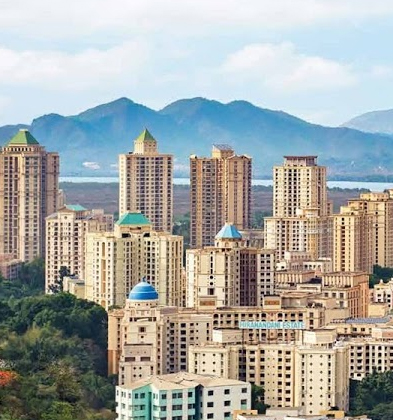
In cities like Mumbai and Thane and other cities where land availability is extremely limited, redevelopment allows vertical growth—replacing aging low-rise buildings with high-rise towers or skyscrapers. This vertical expansion accommodates more residents, optimizes land use, and modernizes city infrastructure without expanding city boundaries..
Why Redevelopment is Necessary in Urban India?
Many residential buildings in Indian cities are 30 to 60 years old. Over time, these structures suffer from wear and tear, structural weakness, outdated electrical and plumbing systems, and lack of modern amenities. Such buildings often become unsafe and unviable for long-term living. Additionally, old buildings have limited market value and are difficult to sell or rent.
Redevelopment provides a solution by transforming these aging structures into modern residential complexes. It not only improves safety and comfort but also enhances the overall appearance and functionality of the neighborhood. With growing urban populations, redevelopment is no longer optional—it is a necessity.
Benefits of Redevelopment
Redevelopment offers multiple advantages to both original residents and new buyers:
- Modern Living Spaces: Original occupants receive newly constructed homes with improved layouts, better ventilation, natural light, and modern designs that align with today’s lifestyle needs.
- No Financial Burden for Existing Residents: One of the biggest advantages is that existing homeowners usually do not bear the cost of construction. The builder finances the redevelopment and recovers costs by selling additional flats generated and constructed through increased floor space index (FSI)
- Enhanced Property Value: Redeveloped properties in prime locations appreciate significantly. Owners who wish to sell or relocate benefit from higher resale value compared to old, dilapidated buildings.
- Improved Safety and Technology:Modern buildings are designed with advanced construction technology, including earthquake resistance, fire safety systems, high-speed elevators, CCTV surveillance, and secure access controls.
- Upgraded Amenities: Redeveloped projects often include amenities such as parking spaces, gardens, gyms, community halls, children’s play areas, and rainwater harvesting—features rarely available in older standalone buildings
- Prime Location Advantage: Redevelopment usually occurs in established neighborhoods with access to schools, hospitals, transport, and commercial hubs. This ensures higher return on investment (ROI) and lower risk for buyers.
- Government Support: Government policies and incentives including incentive in FSI encourage redevelopment to improve urban housing quality, infrastructure, and land utilization. This makes redevelopment projects attractive for both investors and end users.
Key Considerations Before Redevelopment
Before proceeding with redevelopment, homebuyers and society members must carefully evaluate several critical factors:
- Structural Assessment of the Existing Building: A professional structural audit should be conducted to assess the condition of the building. This helps determine whether redevelopment is necessary and feasible.
- Consent of Society Members: Redevelopment requires the consent of a majority of existing homeowners as per local laws. Transparent communication and collective decision-making are essential to avoid disputes.
- Feasibility Study: Financial and technical feasibility must be evaluated, including construction cost, FSI availability, rehabilitation area, and project timelines.
- Choosing the Right Development Model: Societies can either appoint a reputed builder or opt for selfredevelopment. Each option has its advantages and risks. Builder-led redevelopment reduces financial responsibility for residents, while self-redevelopment offers greater control but requires financial planning.
Role of Professionals in Redevelopment:
Redevelopment is a complex process that requires the involvement of multiple professionals to safeguard homebuyers’ interests:
- Architect and PMC (Project Management Consultant): Responsible for planning, design, approvals, and monitoring construction quality and timelines.
- Structural Engineer: Ensures safety, stability, and compliance with building codes.
- Legal Advocate: Drafts and reviews redevelopment agreements, development contracts, and individual allotment agreements to ensure legal protection for homeowners.
- Chartered Accountant (CA): Oversees financial transactions, cost audits, and fund management during construction and handover.
These professionals together form a safety net for homebuyers, ensuring transparency, accountability, and compliance at every stage.
Importance of Legal Documentation
Strong legal agreements are the backbone of successful redevelopment. All terms related to flat size, carpet area, amenities, possession date, rent compensation, penalty clauses, and defect liability must be clearly defined. Proper documentation protects homebuyers from delays, disputes, and financial losses.
Construction, Handover, and Final Outcome
During the construction phase, continuous monitoring is essential to ensure quality and adherence to timelines. Upon completion, proper inspection and handover procedures must be followed. With the right planning, professional support, and cooperation among members, redevelopment results in a modern, safe, and valuable home.
Conclusion :
Redevelopment is a powerful opportunity for existing members/occupants to upgrade their living standards without bearing heavy financial burdens. It transforms aging properties into modern homes, enhances safety, increases property value, and supports sustainable urban growth. However, success depends on informed decision-making, careful planning, legal clarity, and the involvement of the right professionals. With proper awareness and a strong support system, homebuyers can confidently turn old properties into their dream homes while contributing to the future-ready development of Indian cities.
~ Mr. CA Ashwin Shah and Ms. Adv. Maitri Shah
Source: Thane Realty News
To Know About Thane Real Estate Development Contact Us at 09833458323